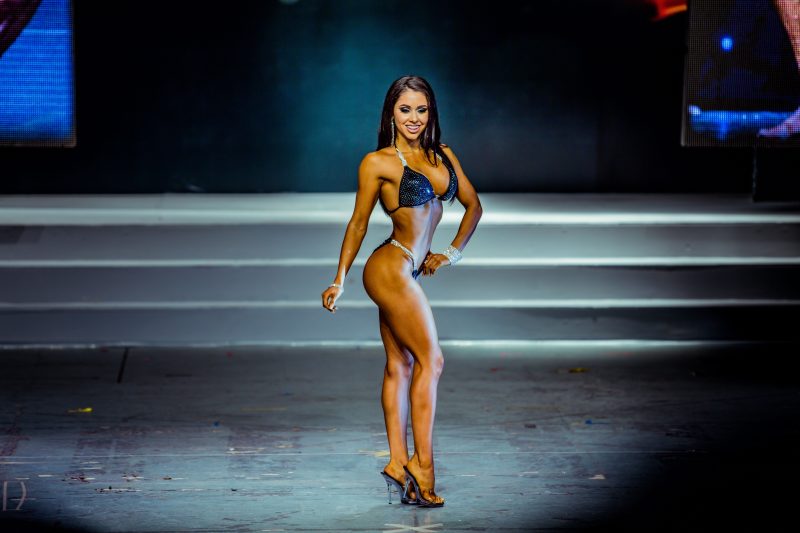
Stage presence in bikini and figure competitions depends on more than conditioning. Judges watch how smoothly you move into each pose, how long you can hold it without wobbling, and whether your lines look balanced from every angle. Yoga is one of the most practical tools for building those skills, because it trains flexibility, balance, breath control, and body awareness in the same session. This guide explains how yoga can support your posing practice and how to fit it into a competition prep schedule.
Table of Contents
- Why Posing Is Harder Than It Looks
- What Judges Look for on Stage
- How Yoga Builds Flexibility for Cleaner Lines
- Balance and Control in Held Poses
- Core Strength and Posture
- A Sample Weekly Yoga Routine
- Choosing Your Suit and Stage Look
- Common Posing Mistakes to Avoid
- Final Thoughts
Why Posing Is Harder Than It Looks
Most competitors learn their poses in the mirror, and that is a good start. The problem is that stage posing asks for more than a static shape. You need to transition between poses under bright lights, hold each position while the judges compare placings, and keep your breathing steady so your face and shoulders do not tighten. Common challenges include:
- Shaking or wobbling in extended holds, especially in front and back poses
- Stiffness through the hips, hamstrings, and shoulders that limits how far you can turn
- Rushing transitions, which makes the movement look forced
- Holding your breath, which raises tension in the neck and upper body
Yoga addresses each of these directly. It is slow, repeatable, and designed around controlled holds, which is very close to what a stage routine demands.
What Judges Look for on Stage
Before deciding how yoga fits in, it helps to know what judges are scoring. The NPC Worldwide rules published by the IFBB Pro League describe the criteria for both divisions. Posing and presentation are a major part of the evaluation, and the rules call out the following elements:
- Balance and shape of the physique
- Overall stage presentation, including poise and composure
- Clean, controlled front and back poses within the allotted time
- Complexion, skin tone, and overall polish
The rules also state that transitions between poses are not judged, so the goal is to move in and out of each pose cleanly, then hold it with confidence. Yoga helps with both parts of that equation.
How Yoga Builds Flexibility for Cleaner Lines
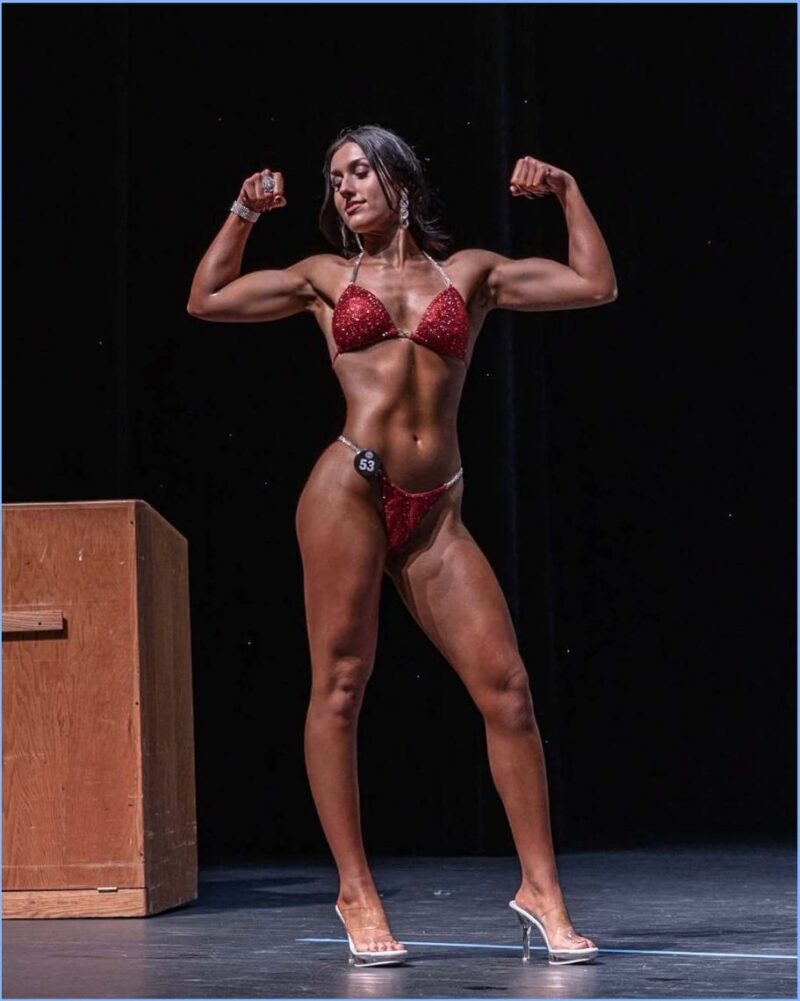
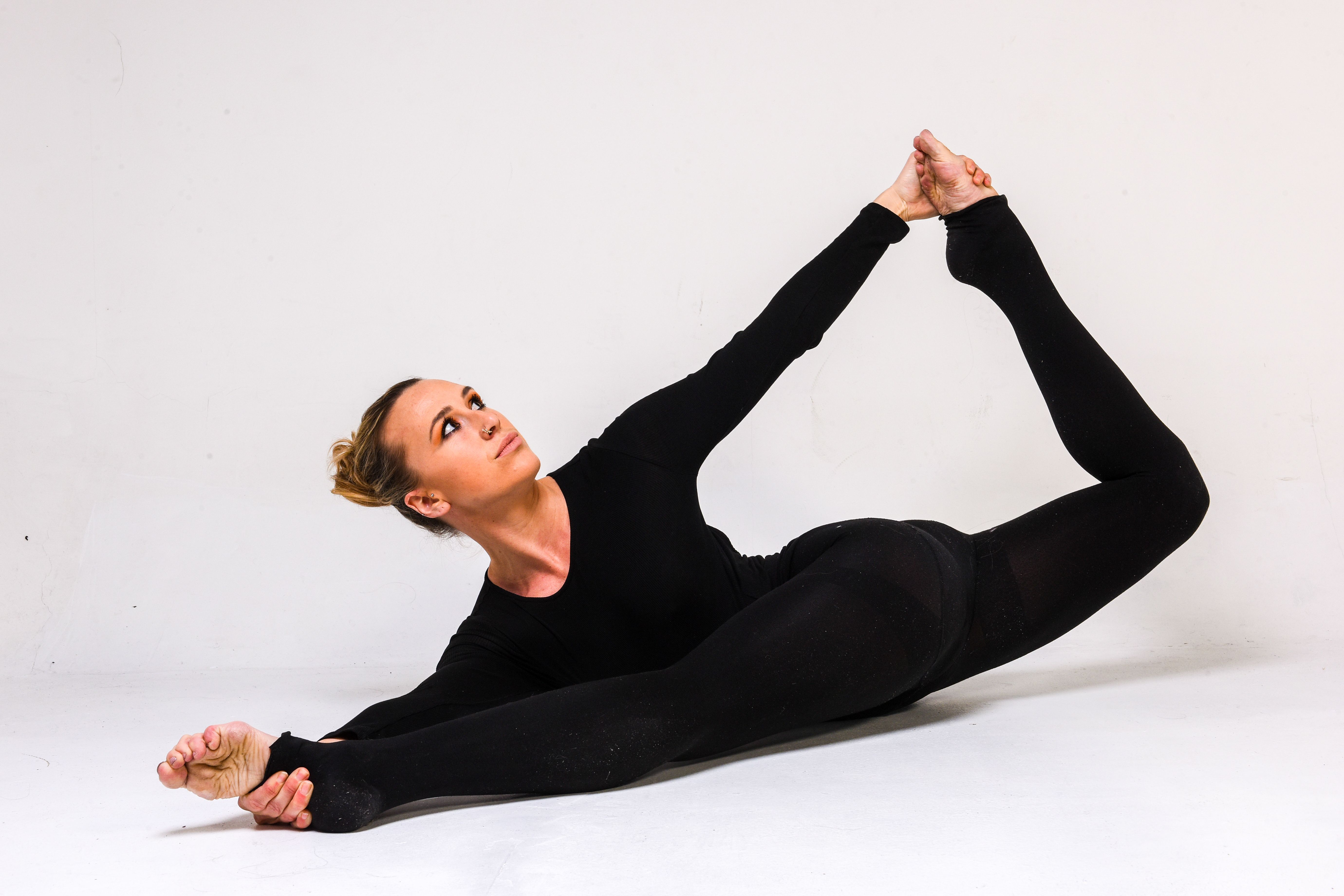
Flexibility affects how your posing looks. Limited hip or shoulder mobility can flatten a back pose or make a side turn look uneven. Research supports yoga as a way to improve range of motion. In a 10-week study of college athletes published through the National Library of Medicine, the yoga group improved on sit-and-reach and shoulder flexibility measures, while the group that did not practice yoga did not show the same gains.
For posing, the most useful areas to work on are:
- Hamstrings and hips, which influence posture in front and back poses
- Chest and shoulders, which affect arm position and upper-body shape
- Thoracic spine, which supports a tall, open torso when you turn
Gentle backbends, forward folds, and hip openers are a good starting point. Hold each one for several breaths and avoid forcing depth, since excessive stretching can cause instability that shows up as shaking on stage.
Balance and Control in Held Poses
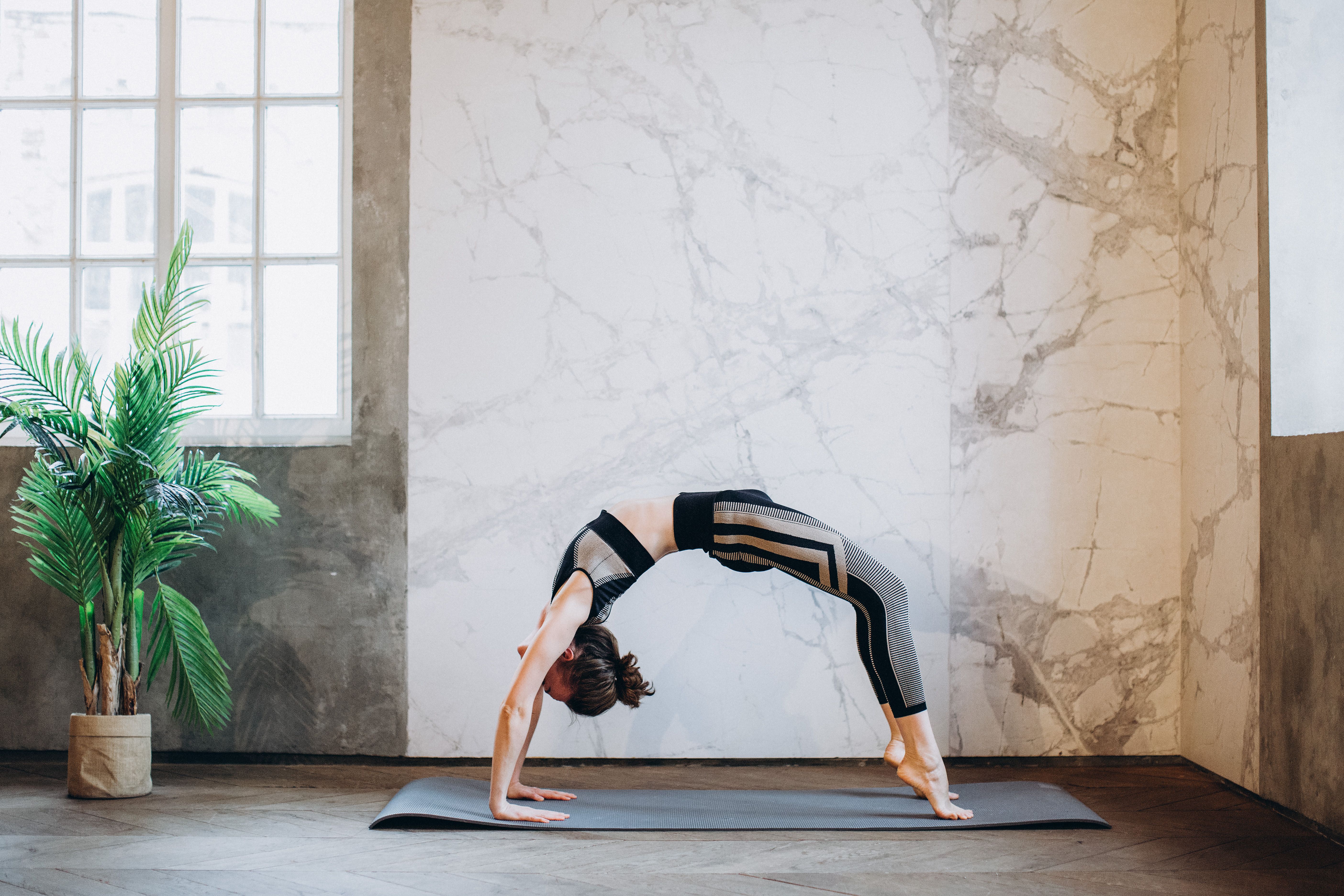
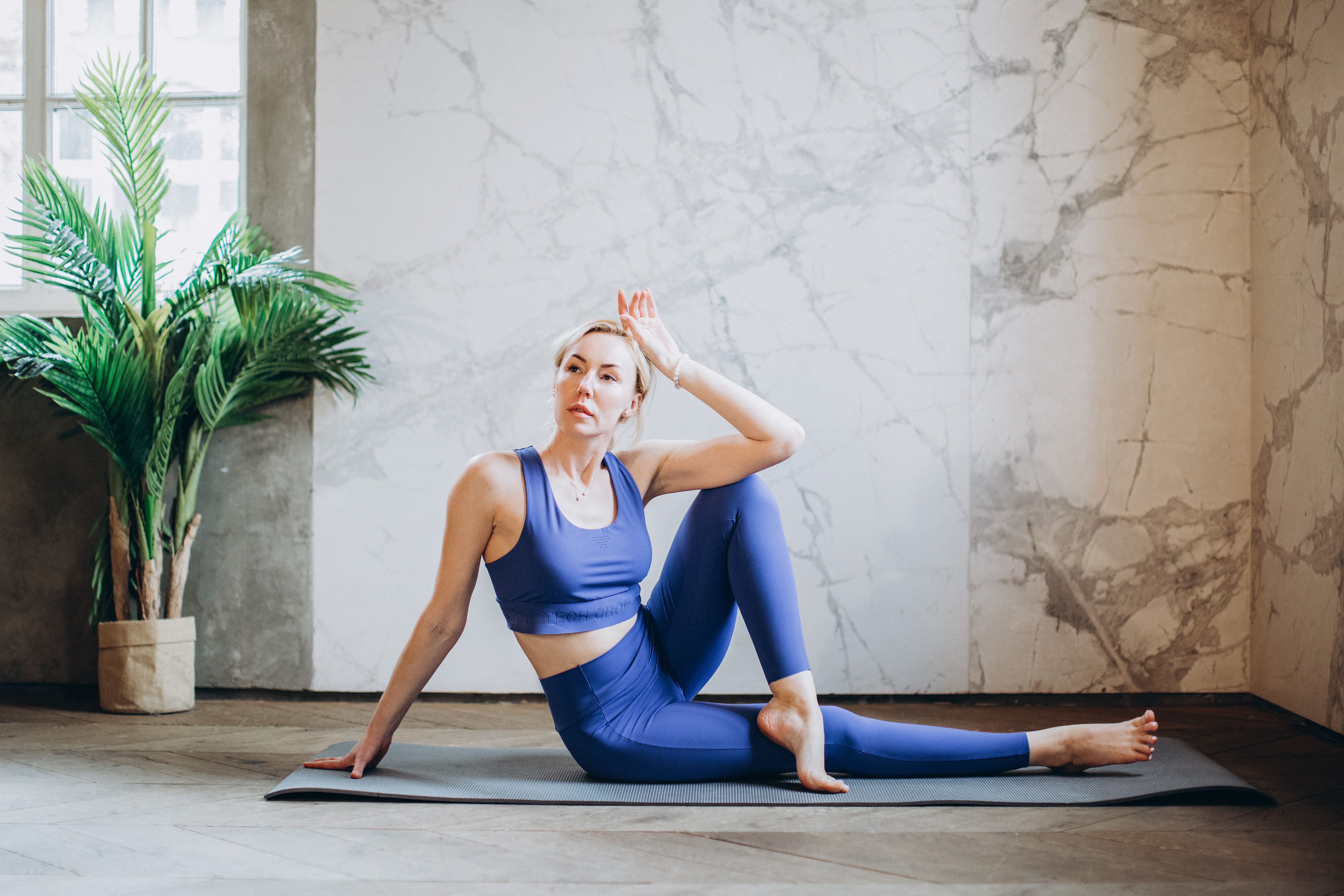
Stage holds can last several seconds, and small movements add up. Balance work trains your stabilizer muscles so you can stay still without gripping. Standing poses such as Tree, Warrior III, and Half Moon are useful for this, because they require you to stay steady on one leg while your core and hips keep the body aligned.
When practicing balance poses, focus on:
- Rooting through the standing foot instead of locking the knee
- Keeping your gaze fixed on one point to reduce wobbling
- Breathing slowly so the hold stays steady rather than tense
- Practicing the same hold on both sides to keep your posing symmetrical
Once you can hold a balance pose for a full minute with calm breathing, try adding a slow transition into and out of it. This mirrors the way you will move between poses on stage.
Core Strength and Posture
Posture is one of the first things judges notice when you walk onstage. A well-engaged core keeps your ribs stacked over your pelvis, which makes your waist look defined and your spine look straight. Yoga builds this through poses that use the abdominals and back muscles together, such as Boat Pose, Plank, and Cobra.
Good posture in yoga and posing comes down to a few consistent habits:
- Lengthen the spine before every pose, rather than collapsing into it
- Keep the shoulders relaxed and away from the ears
- Engage the lower abdominals lightly, without holding your breath
- Check alignment in a mirror or record yourself to spot uneven hips or shoulders
A Sample Weekly Yoga Routine
Consistency matters more than intensity. Most competitors do well with three to four short sessions per week alongside their training and nutrition plan. The table below shows a simple structure you can adjust to your schedule and prep phase.
On heavy training days, shorten the session and focus on breathing and gentle holds. During peak prep, reduce the intensity of stretching so your muscles stay firm and your recovery stays on track.
Choosing Your Suit and Stage Look
Posing practice works best when your stage presentation supports it. A suit that fits well and sits correctly during turns lets you focus on form instead of constantly adjusting. Many competitors compare fit, coverage, and fabric before check-in, and some prefer to test several competition bikini suits during rehearsal so they know how each one moves with them in front and back poses.
When you rehearse, wear the suit and heels you plan to compete in. This helps you practice balance and transitions under the same conditions you will face on stage.
Common Posing Mistakes to Avoid
Even with a good yoga routine, a few habits can undermine your presentation:
- Pushing into stretches so hard that you lose control in holds
- Skipping the mirror check, which hides uneven hips and shoulders
- Holding tension in the face, jaw, or hands
- Practicing only on your stronger side
- Ignoring rest days, which can lead to fatigue and shaky holds
Keep your yoga sessions focused on control rather than depth. If a pose causes sharp pain, back off and work within a range you can hold calmly.
Final Thoughts
Yoga will not replace posing rehearsal, but it gives you a structured way to build the flexibility, balance, and composure that stage posing requires. Start with a few sessions each week, track how your holds and transitions improve, and use mirror or video feedback to refine your shape. Over a full prep cycle, a steady yoga practice can help you walk onstage with calmer breathing, steadier poses, and lines that look as clean as your training.