
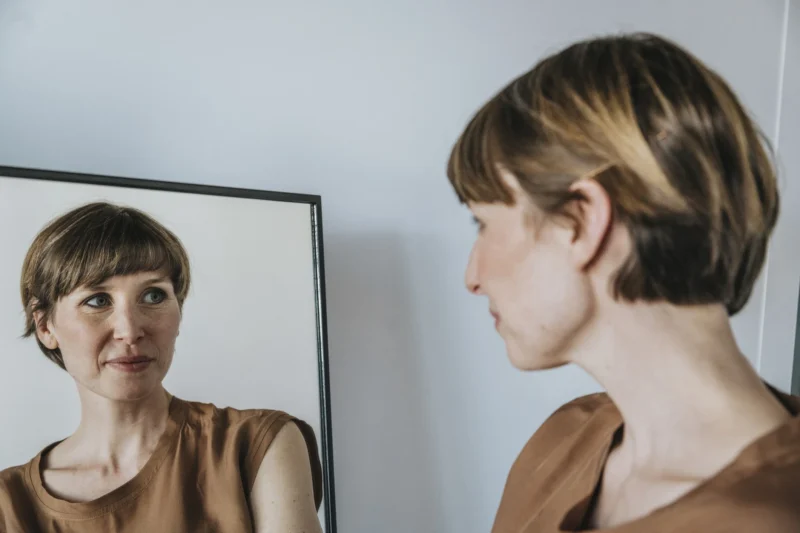
Most people do not struggle because they lack information. They struggle because they repeat patterns without noticing them.
A person says yes to things they already know will drain them. Someone stays in the same relationship dynamic even after promising themselves they would stop.
Another keeps making rushed financial decisions whenever stress shows up. After a while, the problem stops being the situation itself. The real issue becomes the lack of honest reflection before reacting.
Self-reflection is not about constantly analyzing yourself. It is about noticing how your habits, emotions, and reactions influence your choices in everyday life. Once people become more aware of those patterns, decisions usually become clearer and less impulsive.
Why people often misunderstand themselves
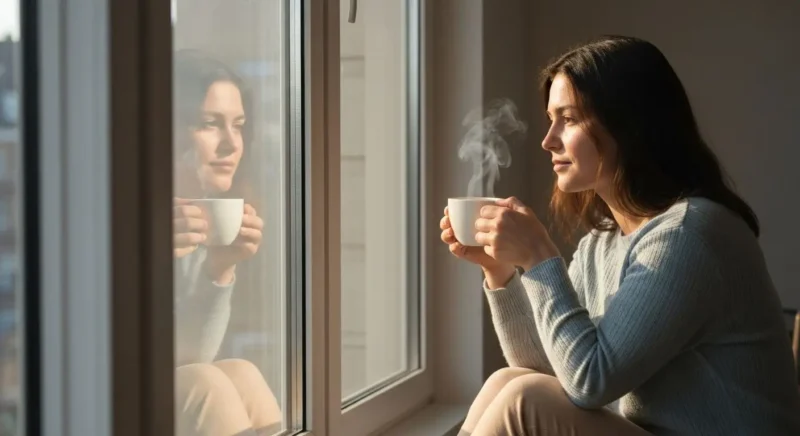
Understanding yourself sounds simple until you actually try to explain why you react the way you do.
Many people think self-awareness means knowing their personality traits. In reality, it often starts with noticing repeated behaviors.
Someone may believe they value calm and stability, but their schedule is full of chaos because they constantly avoid uncomfortable conversations. Another person may say they want meaningful relationships while spending most of their time emotionally unavailable.
A lot of self-reflection becomes clearer when people stop focusing only on thoughts and start paying attention to actions.
Sometimes people use tools to organize those observations. Journaling, behavioral tracking, or even something reflective like a personal astrology chart can help people slow down and notice recurring emotional patterns, communication habits, or decision tendencies. The useful part is not the label itself. The useful part is the pause that forces honest observation.
Self-reflection becomes more accurate when people compare what they say they value with what they repeatedly choose to do.
The difference between reacting and reflecting

A lot of bad decisions happen fast. Reflection usually happens more slowly.
People react automatically when they feel embarrassed, rejected, anxious, ignored, or pressured. That reaction can show up in small ways:
- sending a message too quickly
- agreeing to plans out of guilt
- spending money after a stressful day
- avoiding feedback at work
- shutting down during conflict
Most reactions are not random. They are practiced responses.
Someone who grew up avoiding conflict may stay silent even when something clearly bothers them.
A person who fears disappointing others may overcommit until they become resentful. Without reflection, those behaviors start feeling normal even when they create long-term problems.
Research on decision making shows that reflective thinking often improves consistency and planning, especially under stress.
Instead of asking:
“Why am I like this?”
It is often more useful to ask:
“What feeling was I trying to avoid in that moment?”
That question tends to reveal more honest answers.
What everyday habits reveal about your emotional patterns

People usually reveal their emotional state through routine behavior long before they talk about it openly.
Someone constantly exhausted may not actually have a time management problem. They may struggle with boundaries. A person who keeps switching goals every few months may not lack discipline. They may fear failing publicly, so they abandon things early before effort becomes visible.
Daily habits often contain more truth than self-descriptions.
Here is a simple way to observe patterns more clearly:
|
Situation |
Common Automatic Response | What It May Reveal |
|
Delayed reply from someone |
Overthinking or panic |
Fear of rejection |
|
Constant productivity |
Difficulty resting |
Self-worth tied to achievement |
|
Avoiding decisions |
Waiting too long |
Fear of making mistakes |
|
Overexplaining yourself |
Seeking reassurance |
Fear of being misunderstood |
The goal is not to judge yourself for these reactions. The goal is to recognize them early enough to interrupt them.
Underneath most repeated habits, there is usually an emotional shortcut that people stopped questioning.
Self-reflection works better when it stays specific

People often fail at self reflection because they stay too general.
Saying “I need to improve myself” rarely changes behavior. Specific observations are more useful.
For example:
- “I notice I become defensive when someone gives me unexpected feedback.”
- “I tend to agree too quickly when I want approval.”
- “I make worse decisions when I am tired or socially overwhelmed.”
Specific observations create practical awareness.
Psychology research also suggests that people are not always reliable judges of their own motives. Many explanations are reconstructed after the fact.
That is why behavior matters so much. Patterns tell the truth more consistently than intentions.
Did you know?
Studies on habit formation show that repeated behaviors become automatic partly because the brain tries to reduce effort during decision-making.
That means some choices no longer feel like choices at all after enough repetition.
Better choices usually come from smaller pauses

People often imagine better decisions as major life turning points. In reality, they usually begin with smaller interruptions.
A pause before replying during an argument.
A moment of honesty before saying yes to something you do not want.
Ten quiet minutes after work before scrolling through your phone.
Self-reflection becomes practical when it changes timing. It gives people enough space to notice what is happening before acting automatically.
One helpful habit is reviewing emotionally charged moments at the end of the day without turning it into self-criticism. Not every reaction needs a dramatic explanation. Sometimes the lesson is simply noticing that stress changed your behavior more than you realized.
Questions that often help:
- What drained me today faster than expected?
- Where did I ignore my own limits?
- Which decisions felt calm instead of rushed?
- What situation changed my mood immediately?
Those questions tend to reveal patterns that are easy to miss during busy routines.
Why honesty matters more than positivity
People often try to reflect in a way that still protects their self image.
They soften patterns that need direct attention. They blame circumstances for choices they repeatedly make themselves. They call avoidance “being careful.” They call emotional shutdown “independence.”
Honest reflection usually feels a little uncomfortable because it removes excuses people have repeated for years.
At the same time, honesty should stay practical. Self reflection is not useful when it turns into constant self criticism. The point is to understand behavior clearly enough to make different choices next time.
Most people already know more about themselves than they admit. They notice what drains them, which relationships feel one sided, when they are avoiding something important, and when stress is controlling their decisions.
The difficult part is usually not awareness. The difficult part is staying honest long enough to respond differently.